EpiCGulls

Epidemiology of Campylobacter jejuni in Yellow-legged Gulls, Larus michahellis in Croatia following "One Health" concept

Project report

The Breeding season of 2022.

Breeding season of 2022.


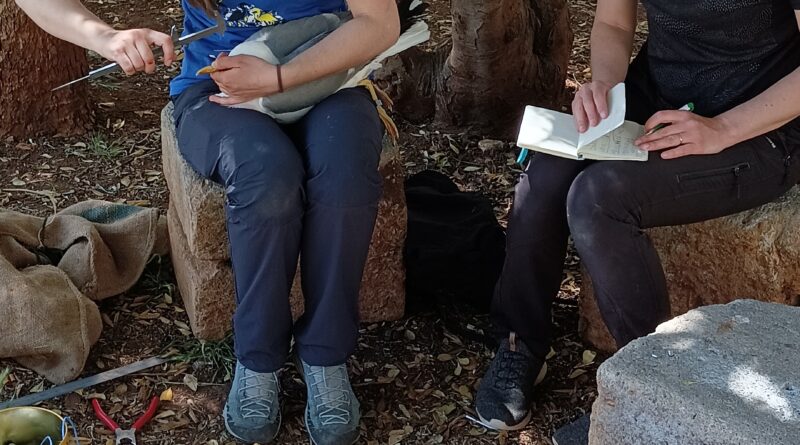
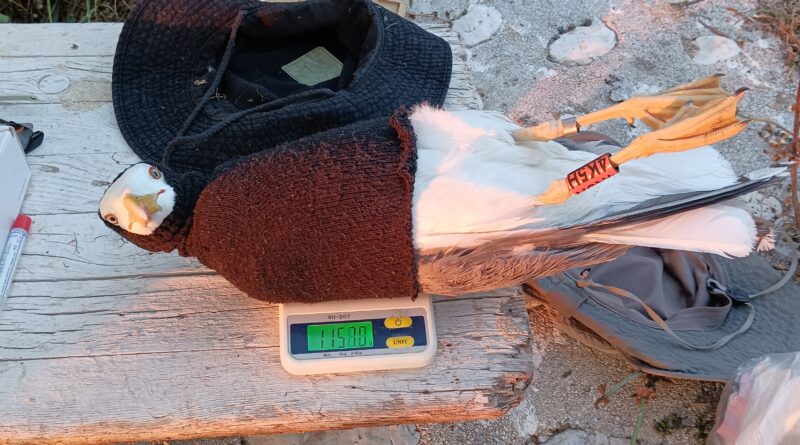
We finished the planned activities for the breeding season of 2022. We caught and sampled 66 adult birds in 7 different Yellow-legged Gull colonies and 419 chicks in 10 colonies.


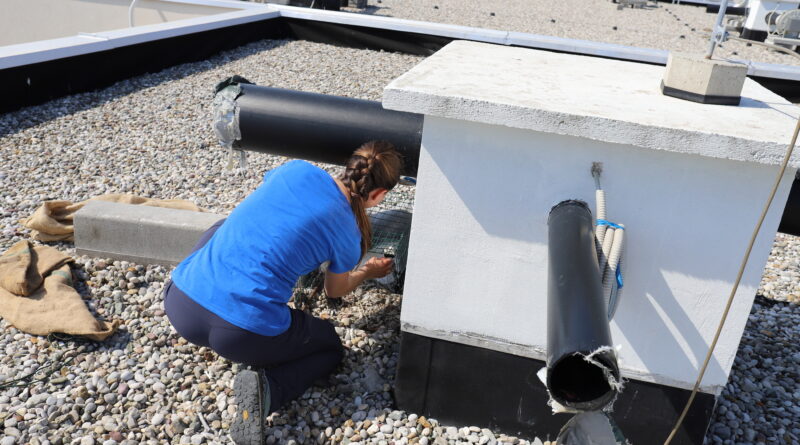
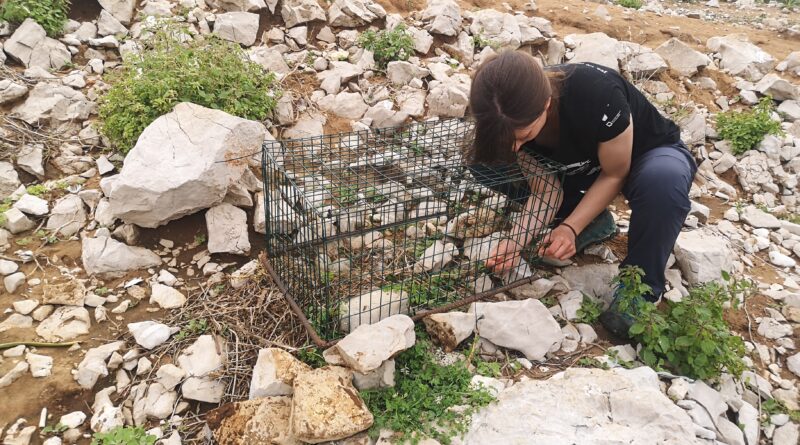
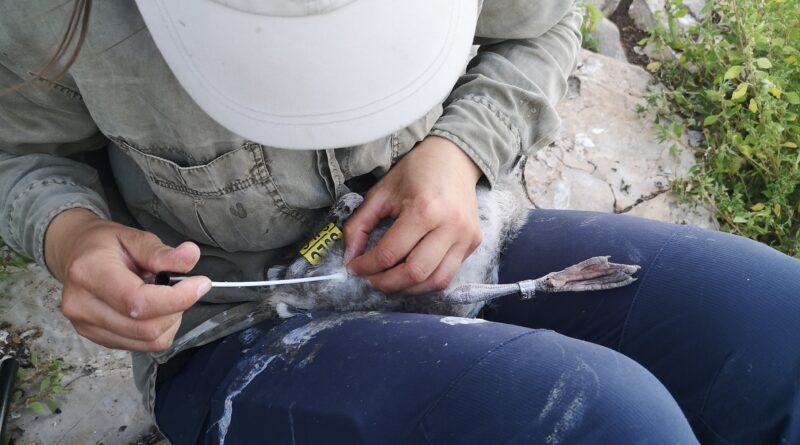
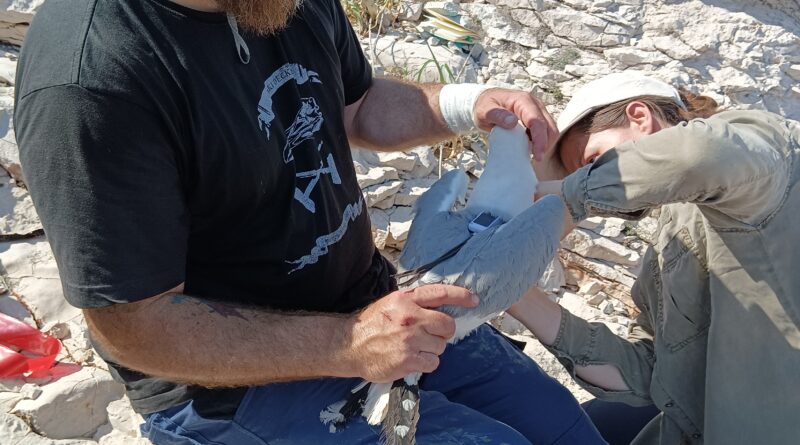
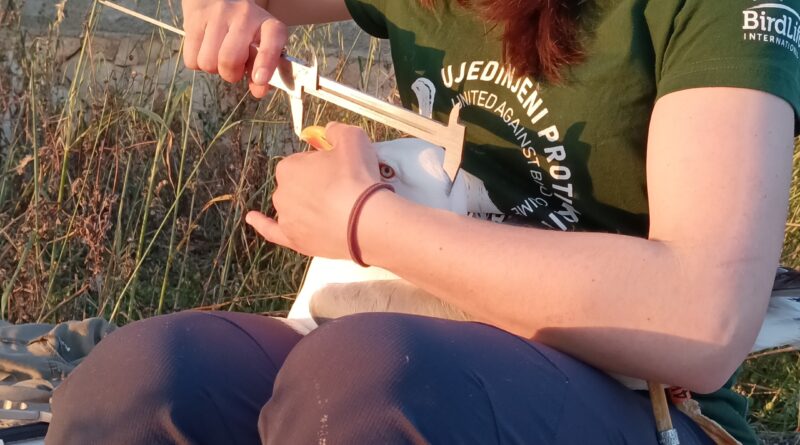
During the second half of April we visited the island Zečevo near the island of Krk, and St. Jerolim island in the National Park Brijuni in the northern Adriatic sea. There we caught nine and ten adult gulls, respectively, using walk-in traps on nests with eggs. We ringed, measured, and swabbed all caught birds. In each colony, we fitted five birds with GPS GSM loggers to follow their movements and to gain insight into the frequency of their interaction with humans or human activities. At the end of April, we caught and ringed seven birds in the National Park Mljet in the southern Adriatic Sea. In the beginning of May, we went to the islets Čavlin and Mrtonjak, located in the middle of the Adriatic Sea. On Čavlin we caught and ringed six adult birds and fitted five of them with loggers, while on Mrtonjak we caught 12 adult birds. We visited one urban colony on rooftops in Zadar and there we caught five adult birds and we fitted all of them with loggers. Lastly, we visited the island Mrkan in the far south Adriatic Sea and caught 17 birds and five of them, we fitted with GPS GSM loggers. We took cloacal swabs from every adult bird to test them for the presence of Campylobacter spp.

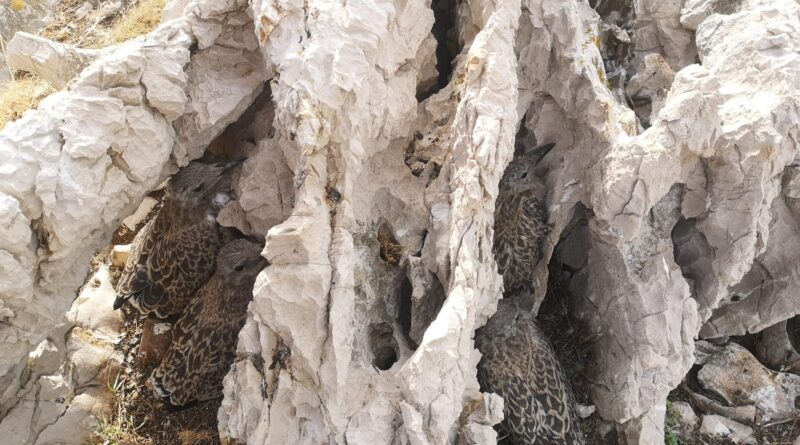
At the end of May and beginning of June, we visited three gull breeding colonies in the National Park Mljet, the urban colony in Zadar, islets Mrtonjak, Mrkan and Zečevo and three colonies in the Nature Park Lastovsko otočje. At all colonies, we ringed and sampled Yellow-legged Gull chicks. All together, we sampled 419 chicks during the breeding season.


Out of the total of 485 collected samples, we managed to isolate 34 C. jejuni (5 from adult birds and 29 from chicks). Additionally, we isolated 6 C. lari (2 from adults and 4 from chicks) and 2 C. coli (all from chicks).


We must conclude that field work during the breeding season was done successfully with more samples and isolates than we predicted in the project work plan.
Leave a Reply

Your email address will not be published. Required fields are marked *