
First project year
We’re happy to say that the first year of the project EpiCGulls passed successfully: since March 2021, we’ve achieved all goals set in the work plan and even more!
We spent a few days in spring and summer visiting six breeding colonies of Yellow-legged Gulls (Larus michahellis) in the Adriatic Sea and one urban colony in Zadar. We were ringing both adult and young birds, as well as taking cloacal swabs from each to later analyze the presence of the bacteria Campylobacter jejuni. We managed to collect 235 samples from natural colonies and 32 from the urban colony. Test results showed that 21 samples in total were positive for the bacteria: 16 from natural colonies and 5 from the urban colony.
During the breeding season, we installed 20 GPS GSM loggers in total on adult birds caught in two natural colonies, one urban colony and the rubbish tip Jakuševec in Zagreb. While birds in colonies were caught using “walk-in” nest traps, the birds from Jakuševec were caught using cannon net while feeding with the intent to find a possible urban colony in Zagreb. Unfortunately, we’ve had no luck so far in finding it.
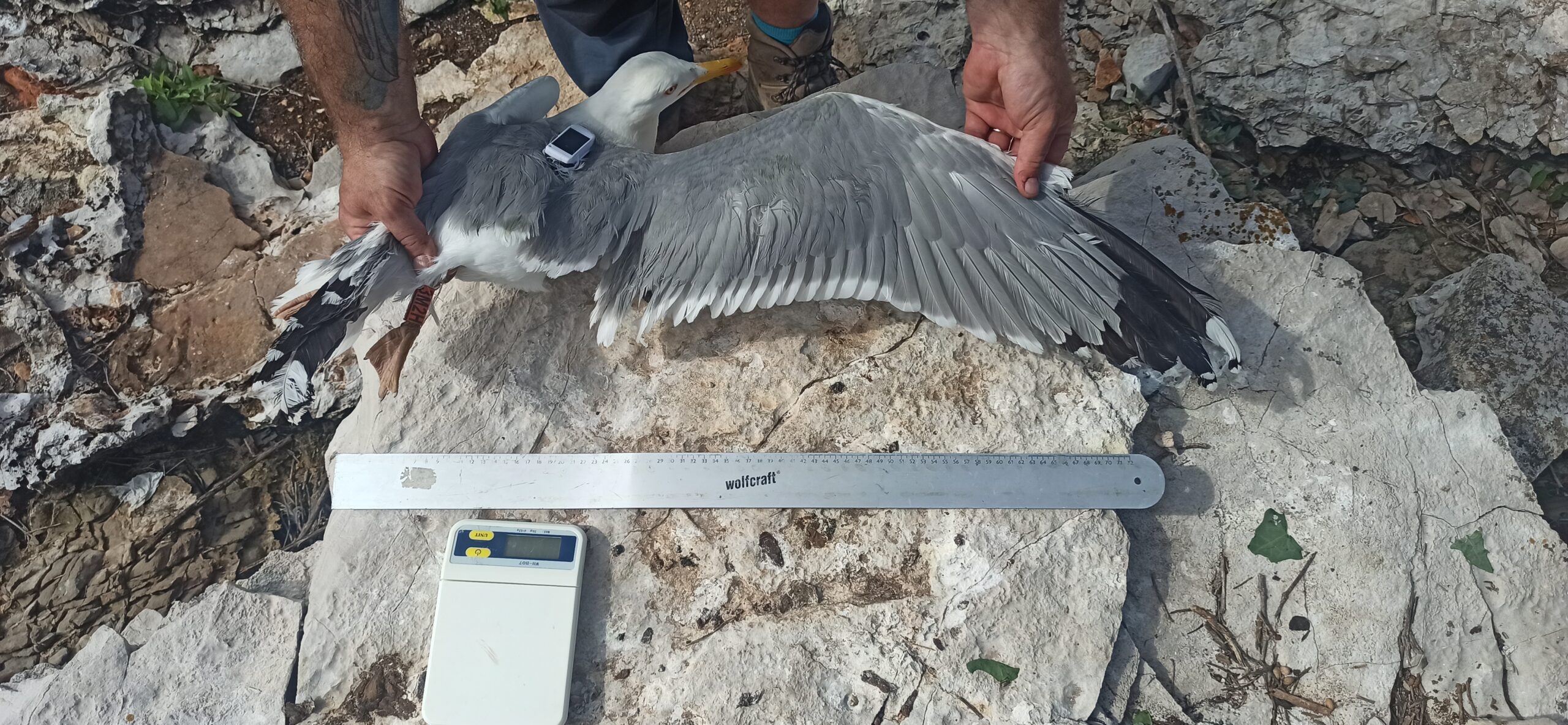
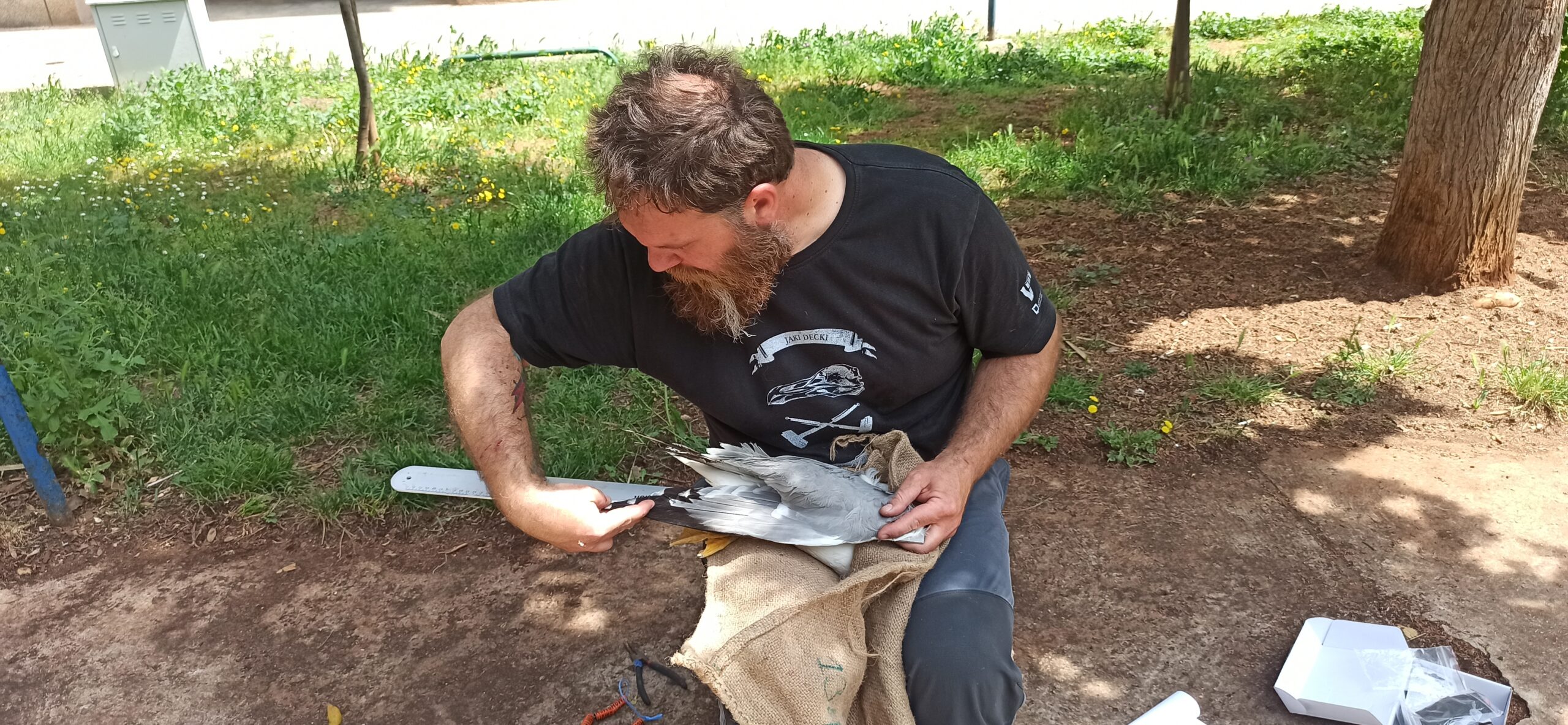
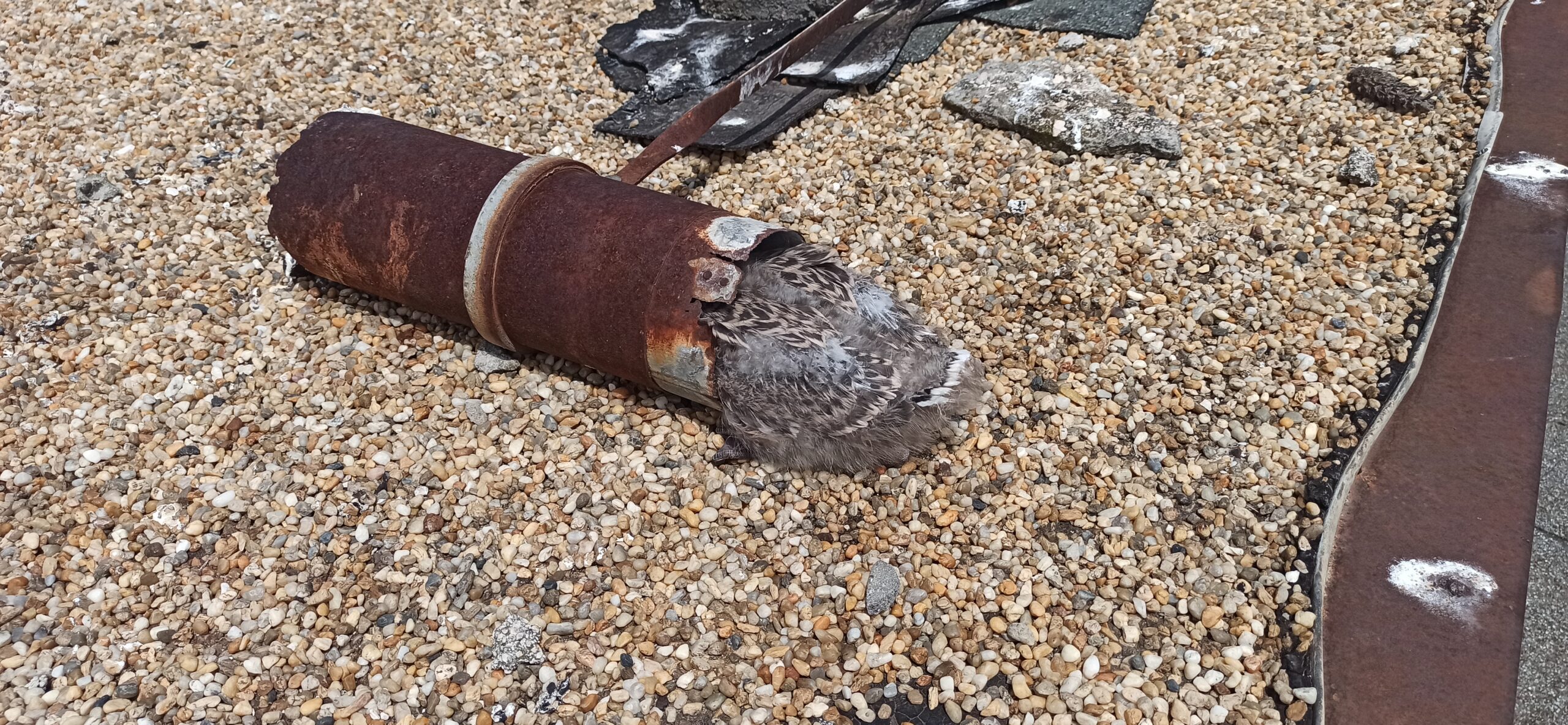
In winter, we were ringing gulls on multiple rubbish tips: Pula (once in December 2021), Zadar (once in February 2022), Zagreb (seven times in winter 2021/22). We collected 208 cloacal swabs from Yellow-legged Gulls, as well as 130 samples in total from four other gull species: Black-headed Gull (Larus ridibundus), Caspian Gull (Larus cachinanns), Common Gull (Larus canus) and Mediterranean Gull (Larus melanocephalus). A total of 58 samples were positive for Campylobacter jejuni: 18 samples from Yellow-legged Gulls and 40 from Black-headed Gulls.
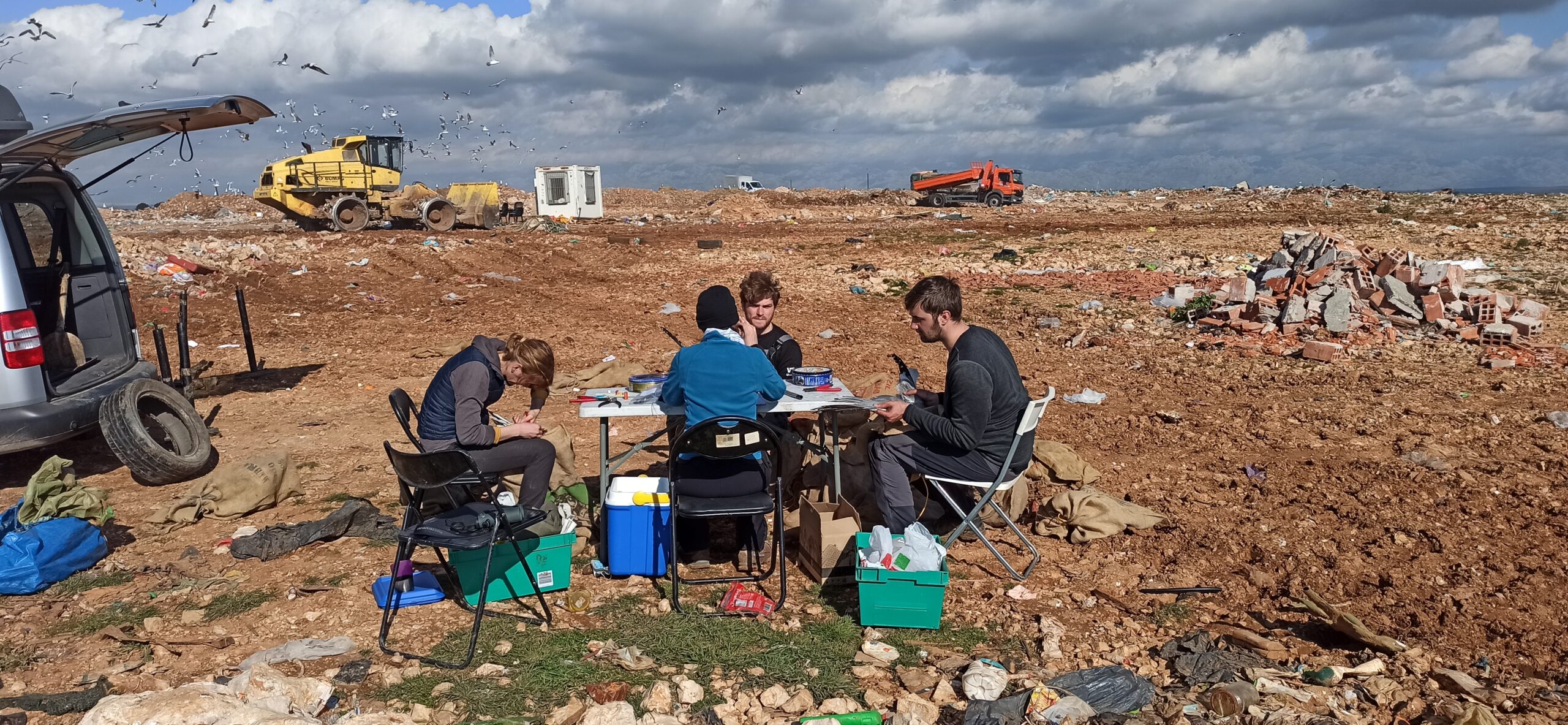
Lastly, we also managed to sequence 41 human isolates collected for the project in our partner institutions, 16 isolates originating from broilers and one from seashells.
All in all, it was a successful first year for EpicGulls and its team, and we’re looking forward to the next one!